
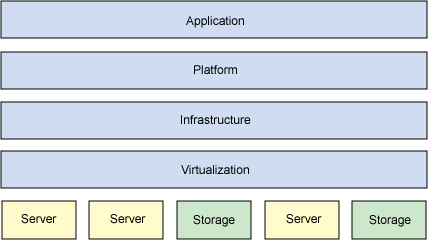
 Cloud computing can be described as the new era in the world of computing. It is composed of several layers, all of which can be accessed by users connected to it. Understanding what each layer comprises of, the functions of each layer, how these layers interact with each other, including the need for diverse technological skills to make the elements work together, are all essential.
Cloud computing demands a mix of technology skills, negotiating skills, and people skills and business acumen. By simplifying the cloud computing concept into layers, it is easier to define the roles and skills needed within the overall structure to see where your business fits into the model.
Here are the four key layers of a cloud environment and the technological skills required to better understand the aspects of cloud computing.
1. The Virtualization Layer
This layer forms the foundation of cloud technology. This enables user request for computing resources by accessing appropriate resources and deploy large numbers of virtual machines (VMs) on hardware.
The most important skill needed is understanding virtualization management principles, such as load balancing. Other necessary skills are having knowledge of the virtualization platform, storage, connecting storage to a virtualization host, and allocating storage properly. Networking knowledge is also needed to configure hosts properly.
2. The Networking Layer
It is in this layer that solid understanding of network protocols such as TCP/IP and domain name server, including switching and routing principles are needed. The ability to rework the entire network on the fly is also essential, especially in network that features numerous ISP connections and devices.
3. The OS Layer
The core skills required are ensuring that the system is properly tuned for its role, setting up a server with correct applications and settings, and maintaining optimal performance settings. To ensure that cloud services are optimally deployed, delivered and maintained, networking skills are also vital in this layer.
4. The Application Layer
This is the most utilized layer of cloud computing. The cloud provided needs responsibility in the management of the software and databases, including installation, updates and removal. Cloud developers should have knowledge in JavaScript, XML and Perl languages, as well as back-end infrastructure applications like Apache, Tomcat and SQL.
As more functionality moves to the internet cloud, every provider and user is needs to develop set of skills required. As time progresses, these layers will shift, blur or might even disappear entirely. As business move into the cloud, it is vital that thorough understanding is involved as to what elements, skills and changes are involved in the process.

I would also include security at each layer